Not every wisdom tooth automatically needs to be removed. We start by assessing what is happening, explaining what we see, and helping you understand whether monitoring, removal, or another approach makes sense for you.
or you are dealing with pain, pressure, swelling, or irritation—you may be wondering whether removal is actually necessary.
That is a good place to start.
At Tri-Town Dental, we provide wisdom teeth removal in Cold Lake for patients throughout Cold Lake and the Lakeland region. Before recommending treatment, we look at your symptoms, the position of your wisdom teeth, the surrounding teeth and tissues, and any other factors that may affect your options.
Some wisdom teeth remain healthy and do not cause problems. Others may become impacted, partially erupt, grow at an angle, become difficult to clean, or contribute to pain and infection.
Our goal is to help you understand which situation applies to you.
No. Wisdom teeth do not automatically need to come out simply because they are present.
An impacted wisdom tooth may sometimes remain without causing a problem, while removal may be considered when pain, infection, positioning, partial eruption, or other concerns are present.
You may have searched questions such as “why do experts now say not to remove your wisdom teeth?” The more useful question is whether your wisdom teeth are healthy, cleanable, comfortable, and likely to remain that way.
We assess the individual situation rather than making assumptions.
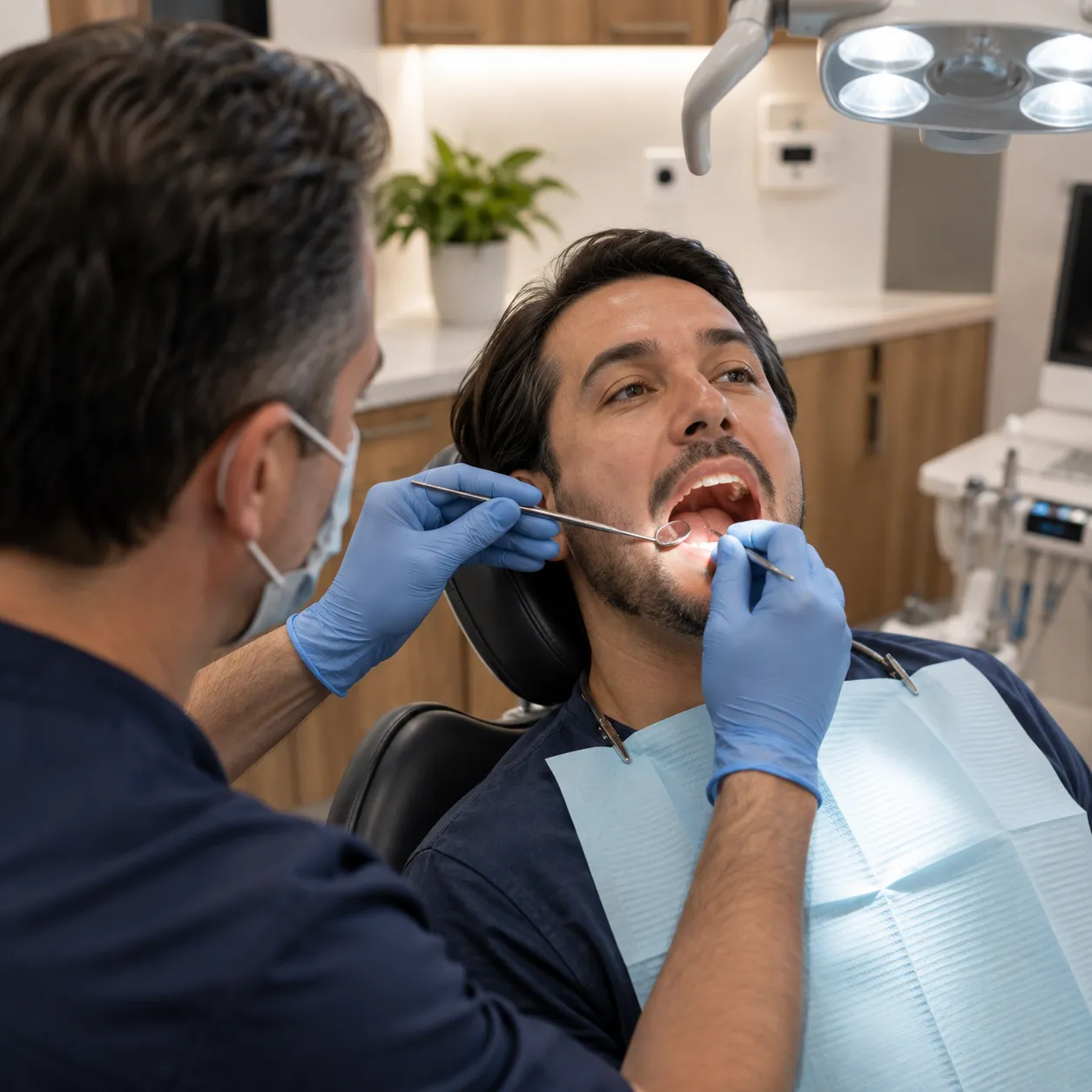
Wisdom teeth are the molars located furthest back in your mouth. When there is not enough space for them to erupt normally, they may remain partly or completely trapped beneath the gum or jawbone.
We recommend having the area assessed when you notice changes such as:
Partially erupted, impacted, incorrectly positioned, or difficult-to-clean wisdom teeth can sometimes contribute to dental problems. You do not need to determine the cause yourself. We can examine the area and explain what we find.
Every wisdom tooth is different.
Some have erupted fully. Others are partly covered by gum tissue or remain below the surface. Position, root development, nearby anatomy, symptoms, and the number of teeth being considered can all influence planning.
We begin with an examination and appropriate dental imaging.
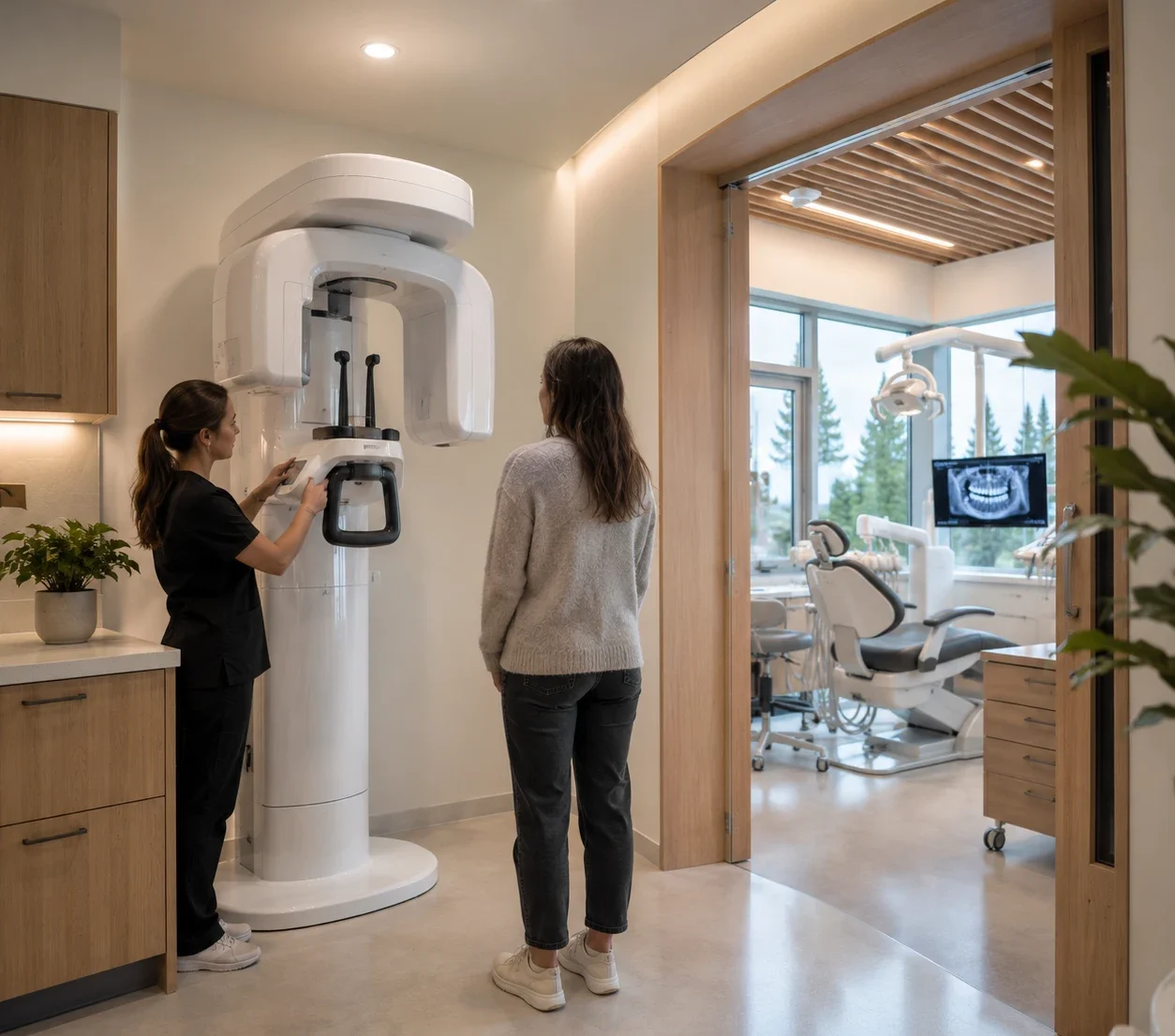
When more detailed information is useful, our CBCT 3D imaging can help us view dental and surrounding structures from a three-dimensional perspective. Dental imaging can help identify impacted teeth and provide information that supports treatment planning.
Technology is only useful when it makes your care clearer.
We use imaging to help us explain what we see, what options are available, and why we are recommending a particular next step.
If we believe referral is more appropriate for your situation, we will explain that as well.
For many people, the hardest part is not finding a dentist in Cold Lake, Alberta. It is wondering what the procedure will feel like.
You may be thinking:
Before treatment, we explain what is planned, how we will manage comfort, and what you can expect during and after the procedure.
The treatment area is typically frozen with local anesthetic during a tooth extraction. Medication may also be used in some circumstances to help a patient relax.
We also offer IV sedation dentistry for eligible patients at our Cold Lake clinic. We review your health history, treatment needs, and individual circumstances before determining whether sedation is appropriate. Our current advanced dental services include IV sedation alongside wisdom teeth removal and other surgical care.
If dental anxiety is part of the reason you have delayed treatment, tell us. The more we understand what worries you, the better we can explain your options and plan your appointment around your needs.
Recovery is often one of the biggest practical concerns, particularly when you are coordinating treatment around work, school, military duties, shift schedules, family responsibilities, or travel.
Some pain, swelling, and bleeding can occur after wisdom tooth removal, particularly in the first part of the recovery period. Recovery varies from person to person, so we provide instructions based on your procedure and circumstances.
Before you leave, we review what you need to know about your aftercare.
That may include guidance around:
MyHealth Alberta notes that patients commonly experience some pain and swelling after wisdom tooth extraction and that recovery progresses at different rates for different people.
We would rather have you ask a question than wonder whether something is normal.
Living in the Lakeland region should not automatically mean travelling a long distance just to begin the conversation.
We offer wisdom teeth assessment and removal in Cold Lake, along with IV sedation, CBCT imaging, and other advanced dental services at our clinic.
We welcome patients from Cold Lake and communities throughout the Lakeland region, including people balancing work, family, military postings, shift schedules, and travel from surrounding communities.
Whenever clinically appropriate, we aim to make more care available close to home.
We also recognize that some cases are better managed through referral. If that applies to you, we will tell you clearly and explain the reason.
Advanced care close to home should still mean choosing the right care for the individual patient.
There is no single fee that applies to every wisdom tooth procedure.
Your treatment cost can depend on factors such as:
We believe cost should be discussed before treatment whenever possible.
Our team can help you review available information about insurance and coverage and explain expected costs based on the treatment we are recommending. Coverage varies by plan and individual eligibility, so we do not assume or guarantee what a particular plan will pay.
We also work with patients who use CDCP, NIHB, and other dental benefits, and we can discuss available payment options where appropriate.
We know that choosing where to have wisdom teeth assessed or removed involves more than finding the closest appointment. You want to know that someone is listening.
We take an assessment-first approach because we believe treatment recommendations should make sense to you. We combine clear explanations with modern imaging, surgical dental care, IV sedation options for eligible patients, and practical support around recovery and costs. Most importantly, we do not assume that every wisdom tooth needs the same solution.
We will show you what we see, explain what concerns us, discuss what can wait when appropriate, and help you understand the options available to you. No judgment. Clear options. Modern care.
The issue is not that wisdom teeth should never be removed. Some wisdom teeth remain healthy and may not require treatment, while others can become impacted, painful, infected, partially erupted, or difficult to clean.
We assess your individual teeth before recommending monitoring, removal, or another approach.
Yes, we provide wisdom teeth assessment and removal in Cold Lake. Whether we recommend treatment at our clinic or referral depends on your individual case. Our current services include wisdom teeth removal, IV sedation, and advanced dental imaging.
We offer IV sedation for eligible patients. We review your medical history, treatment requirements, and other relevant factors before deciding whether IV sedation is appropriate.
Recovery varies according to the individual and the procedure. Some pain and swelling are common after wisdom tooth removal and should generally improve as healing progresses.
We provide specific aftercare instructions and tell you what signs should prompt you to contact us.

You do not need to decide today that your wisdom teeth should come out.
You only need to understand what is happening.
If you are experiencing symptoms, have been told your wisdom teeth should be removed, or simply want a clearer explanation before making a decision, we are here to help.
We can assess your wisdom teeth, review appropriate imaging, explain whether monitoring or removal may make sense, and talk through comfort, recovery, costs, and next steps.