
We assess damaged and weakened teeth to determine whether a filling, dental crown, or another restorative option may provide the right level of protection.
you may be wondering whether the tooth really needs that much treatment.
Could we repair it with a filling instead? Can the tooth still be saved? What happens during crown treatment? And how much will the complete treatment cost?
At our Cold Lake dental office, we start by answering those questions.
We examine the tooth, look at how much healthy structure remains, consider how the tooth functions when you bite and chew, and discuss what you want from treatment. If we recommend a dental crown, we explain why we believe the tooth needs more protection than a smaller restoration may provide.
Our goal is to preserve healthy tooth structure where appropriate and give you enough information to make a confident treatment decision.
We may consider a dental crown when a tooth has been weakened or damaged enough that a filling alone may not provide appropriate support.
That can include teeth affected by significant decay, cracks, large existing fillings, wear, fractures, or previous root canal treatment.
A crown covers the visible portion of the prepared tooth and is designed to restore its shape and function while protecting the remaining tooth structure.
But we do not treat every damaged tooth with a crown.

Sometimes a crown can help us preserve a tooth that still has enough healthy structure to restore.
The key question is whether the tooth can be predictably repaired.
We look at the extent and location of the damage, the remaining tooth structure, gum and bone support, your bite, and any symptoms you are experiencing.
A crown cannot make every severely damaged tooth restorable. If we find that another approach would make more sense, we discuss that with you rather than automatically proceeding with a crown.
When a tooth can be preserved, our treatment planning focuses on restoring its function while protecting what remains.
Root canal therapy treats the inside of a tooth. It does not replace tooth structure that may already have been lost because of decay, fractures, previous fillings, or access required during treatment.
After root canal therapy, we assess how the tooth should be restored.
For some teeth, a dental crown may provide additional protection during normal biting and chewing. Other teeth may require a different restorative approach depending on their location and how much healthy structure remains.
We explain the restorative plan as part of the larger treatment discussion whenever possible.
That means you can understand whether a crown may follow root canal therapy—and why—rather than viewing the two treatments as unrelated procedures.
This is one of the most important questions we can answer before treatment.
A filling generally replaces a smaller area of tooth structure lost to decay or damage. When a tooth already contains a large filling, has lost substantial structure, or is weakened by a crack or fracture, another filling may not provide enough support.
A crown protects more of the remaining tooth.
When we compare the two options, we consider how much natural tooth structure remains, where the damage is located, the size of existing restorations, your bite, the forces placed on the tooth, and whether the tooth has already undergone root canal therapy.
We also consider the bigger picture.
We want a restoration that makes sense for the tooth now while supporting your longer-term oral health.
If we determine that a crown is appropriate, we explain the treatment sequence before we begin.
We numb the treatment area and prepare the tooth so the crown can fit over the remaining structure. We remove compromised material as needed and shape the tooth for the planned restoration.
We then capture the information required to make the crown, which may include digital scanning where appropriate.
Depending on the treatment plan, we may use a temporary restoration while the final crown is being prepared. When the final crown is ready, we check its fit, bite, function, and appearance before securing it.
The exact process varies from tooth to tooth, so we review what applies to your care rather than assuming every crown appointment will be identical.
We want you to tell us if you are nervous about treatment.
Uncertainty about drilling, freezing, sensitivity, or previous dental experiences can make even routine restorative care feel stressful.
We use local anaesthetic to numb the treatment area and explain what we are doing before and during care. If something is worrying you, we would rather know so we can talk through it.
Some temporary sensitivity or tenderness may occur following restorative treatment, and individual experiences vary.
We focus on realistic expectations, clear communication, and helping you understand what will happen next.
Function is central to crown treatment, but appearance can matter too.
When the tooth is visible when you smile or speak, we consider how the restoration will work alongside the surrounding teeth. Colour, shape, position, restorative material, and bite can all influence planning.
For a back tooth, strength and chewing function may be the main priorities. For a more visible tooth, appearance may carry additional weight.
We talk about those goals before treatment so our restorative plan reflects what matters to you.
Not every damaged tooth requires immediate crown treatment.
However, if a tooth is actively breaking, becoming increasingly sensitive, hurting when you chew, or changing noticeably, we recommend having it assessed rather than waiting for the problem to become easier to diagnose on its own.
Earlier assessment can help us determine how much healthy tooth remains and what restorative options may still be available.
We do not create urgency where it is not warranted. We do want to understand the condition of the tooth before additional damage changes the treatment decision.
If you have suddenly broken a tooth or are experiencing significant discomfort, call us at (780) 594-5056 so we can discuss the appropriate next step.
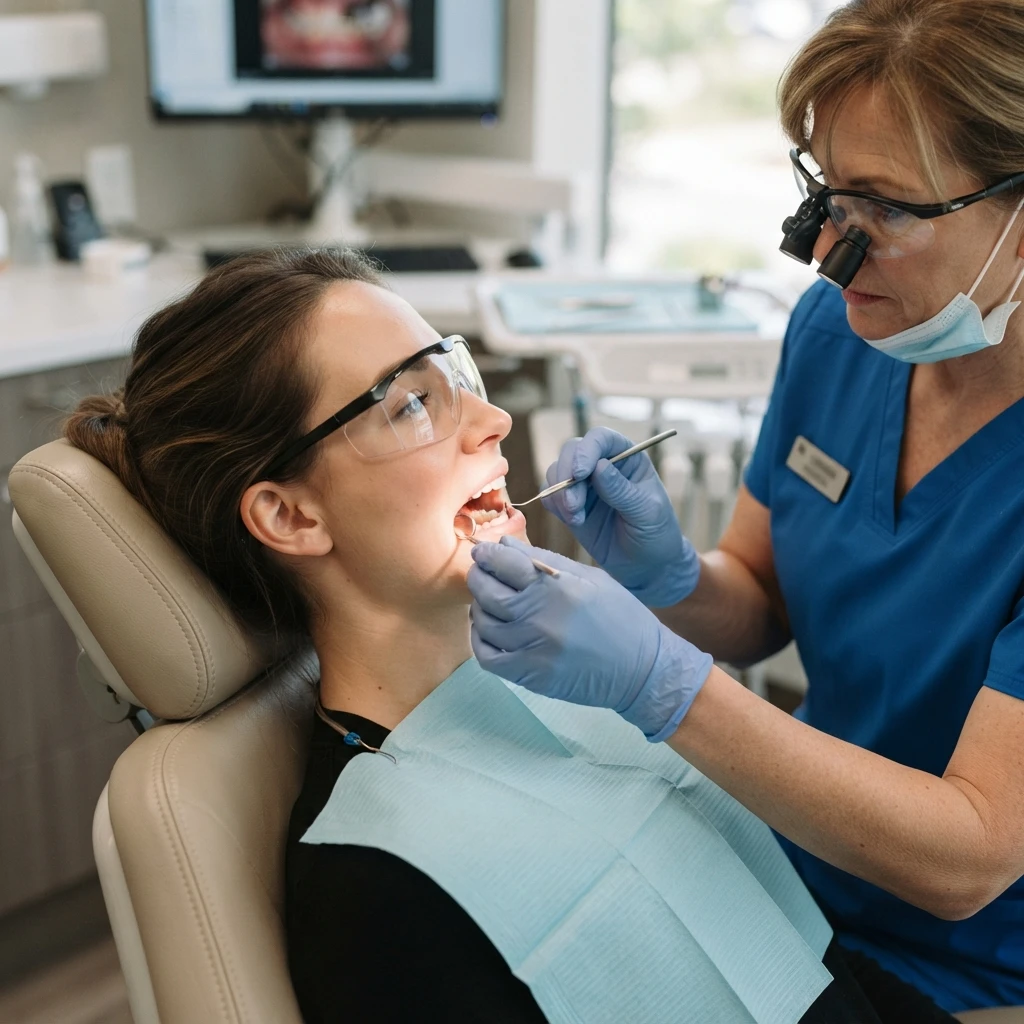
The cost of dental crowns in Cold Lake depends on the individual treatment plan. A crown may be the only restorative treatment required, or the tooth may also need care for decay, missing tooth structure, or root canal therapy before the final restoration can be completed.
Rather than giving you a generic crown price that may not reflect what your tooth needs, we assess the tooth first and provide an estimate based on the recommended care.
We can also help you review available information related to dental insurance, CDCP, NIHB for eligible patients, preauthorization where applicable, expected patient costs, and payment options that may be available.
Coverage differs between plans and programs, so we cannot guarantee what will be paid. We can help you understand the treatment estimate and available coverage information before you decide to move forward.
A crowned tooth still requires regular oral care.
We recommend continuing to brush thoroughly, clean between your teeth, and maintain routine dental examinations and hygiene appointments.
We also want to know if a crown becomes loose, chipped, sensitive, painful, or starts feeling different when you bite.
If you grind or clench your teeth, we may discuss whether additional protection is appropriate.
Our goal is not simply to place a restoration. We want to help you maintain the tooth and surrounding tissues over time.
We provide restorative care for people looking for dental crowns in Cold Lake and for patients travelling from communities throughout the Lakeland region, including Bonnyville, St. Paul, Lac La Biche, and surrounding rural areas.
Whether you have already been told you need a crown or are simply looking for a dentist who can repair a damaged tooth, we start by finding out what that tooth actually needs.
No. We base treatment on the type and extent of the crack, the remaining tooth structure, your symptoms, and whether the tooth can be predictably restored.
Sometimes. When damage is limited and enough healthy tooth structure remains, a filling may be appropriate. When a tooth needs broader structural protection, we may recommend a crown.
It may. We first determine whether enough healthy tooth structure remains and whether the tooth can reasonably be restored.
No. We assess the location and condition of the tooth and the amount of remaining structure before recommending the final restoration.
Yes, we use local anaesthetic when preparing a tooth for a crown and discuss what you can expect before treatment begins.
Some dental plans and benefit programs may contribute toward eligible crown treatment. We can review available coverage information and expected patient costs before treatment whenever possible.
If you have been told that you need a crown—or you are looking for help repairing a cracked, broken, or weakened tooth—we can assess what is happening and explain your options.
We will help you understand whether a filling, dental crown, or another restorative treatment may make sense before you decide how to proceed.
Book a Dental Crown Assessment