
Consultation and Planning
We assess your health, review imaging, discuss your goals, and plan the final replacement tooth or prosthesis.
We assess your oral health, available bone, treatment goals, and replacement options before explaining whether dental implants may be suitable for you.
Missing teeth can change how comfortably you eat, how clearly you speak, and how confident you feel in everyday situations.
You may be preparing for an extraction, living with a gap, struggling with a loose denture, or comparing implants with a bridge or removable option. Before making a decision, you deserve to understand what may work, what treatment could involve, and what the complete cost may include.
We provide dental implants in Cold Lake for suitable patients from across the Lakeland region. We combine careful assessment, modern imaging, surgical and restorative planning, comfort options, and clear cost conversations to help you make an informed choice.
A dental implant is a small post placed in the jawbone to support a replacement tooth or dental prosthesis.
Depending on your needs, implants may support:
The implant is only one part of the completed treatment. The full process may also involve imaging, planning, an extraction, bone grafting, healing, and the final crown, bridge, or denture.
We explain each part of the proposed treatment so you understand what is included and why it may be recommended.
Dental implant care usually takes place in several stages. The exact sequence and timing depend on your oral health and treatment plan.
We assess your health, review imaging, discuss your goals, and plan the final replacement tooth or prosthesis.
An extraction, bone graft, gum treatment, or another preparatory procedure may be recommended in some cases.
When appropriate, we place the implant in the planned position. The surrounding area then requires time to heal and integrate around it.
Healing time varies. We monitor the implant and surrounding tissues before proceeding with the final restoration.
Once the implant is ready, we complete the planned replacement tooth or prosthesis.
Implants still require daily cleaning, regular hygiene visits, examinations, and monitoring of the surrounding gums and bone.
Before treatment begins, we explain the expected stages, likely appointments, and maintenance responsibilities so you can plan with fewer surprises.

Implant suitability depends on more than the number of missing teeth. We consider your gum health, available bone, medical history, medications, tobacco use, oral hygiene, bite, and the type of final restoration being planned.
Dental implants may be considered when you:
Some health conditions or risk factors can affect the timing or predictability of treatment. They do not automatically rule out implants, but they require careful review.
A successful plan must consider both the implant and the final tooth or prosthesis it will support. We begin by asking what matters most to you. You may want to improve chewing, replace a visible gap, stabilize a denture, or plan ahead before a tooth is removed. Your assessment may include:
We use modern imaging and digital planning tools to gather detailed information and explain our findings more clearly. These tools support our clinical judgment and help us plan the position of the implant in relation to the final restoration. Once we understand the complete situation, we can explain whether implant treatment may be appropriate and whether any preparatory care may be needed.
Dental implants require adequate bone for support.
After a tooth is lost, the surrounding bone may gradually change. Bone levels can also be affected by infection, gum disease, previous injury, or the length of time the tooth has been missing.
Some patients have enough bone for implant placement without grafting. Others may benefit from bone grafting before or during implant treatment.
Preserve bone after an extraction
Rebuild an area with reduced bone volume
Improve support around a planned implant
Prepare a site that has been missing a tooth for an extended period

It is normal to feel concerned about surgery, discomfort, or the length of treatment. We take time to explain what to expect before each appointment and discuss ways to support your comfort. Depending on your health, anxiety level, and proposed treatment, comfort planning may include:
Sedation is not necessary for every implant procedure, and not every option is suitable for every patient. We review your health history and treatment needs before making a recommendation.
There is no single fee that accurately represents every implant case.
The complete dental implant cost depends on the number of teeth being replaced, the type of final restoration, the health of the treatment area, and whether additional procedures are required.
A low advertised price may refer only to one component rather than the completed treatment. We prepare an estimate based on the full proposed plan so you can understand what is included.
We can also help you review available benefit information and payment options that may apply. Your benefit provider determines eligibility and reimbursement, and coverage can vary by plan.
An assessment and defined treatment plan are generally required before we can prepare an accurate estimate.
Implants are one possible way to replace missing teeth, but they are not always the only appropriate choice.
Each option has different considerations related to stability, surgery, maintenance, treatment time, cost, and the condition of nearby teeth.
A bridge may replace a missing tooth without implant surgery, but it usually relies on neighbouring teeth for support. A removable denture may replace several teeth with a different treatment process and cost, although it may feel and function differently from an implant-supported restoration.
We compare suitable options clearly so you can make a decision based on the full picture.
Traditional dentures restore missing teeth, but some patients experience movement while eating or speaking.
Implants may sometimes provide added support for a removable or fixed prosthesis.
The number and position of implants depend on your anatomy, oral health, treatment goals, and the type of prosthesis being planned.
We can assess your current denture, review the supporting tissues, and explain whether an implant-supported option may be appropriate.
Book a consultation to compare conventional dentures with implant-supported possibilities.
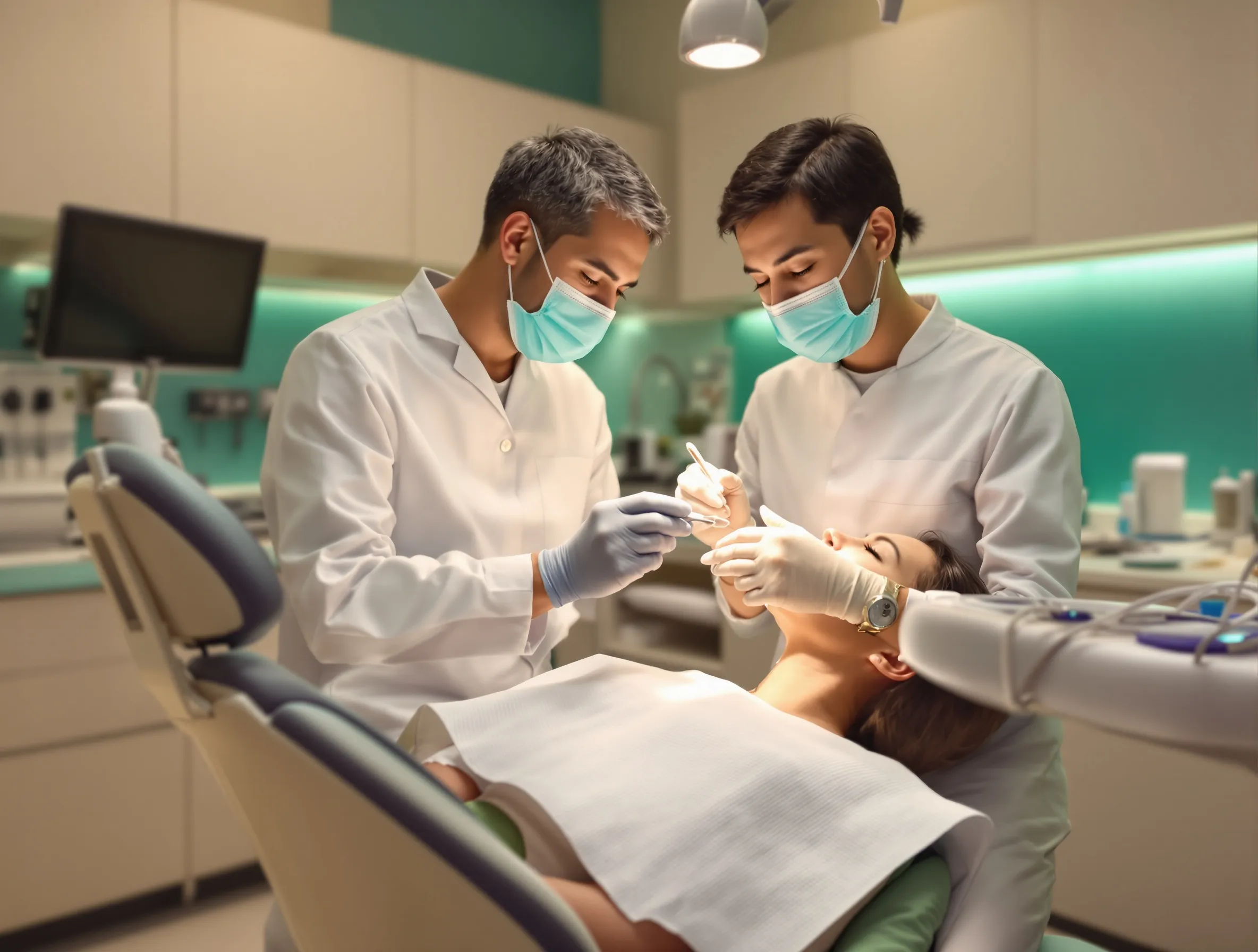
People searching for implants near me are often concerned about more than distance. Implant treatment may involve consultation, imaging, surgery, restoration, follow-up, and long-term maintenance. Repeated travel can make an already involved process harder to coordinate. We provide a broad range of implant-related care in Cold Lake, including:
Some situations may still require collaboration with or referral to another healthcare provider. When that is appropriate, we explain why and help coordinate the next step.
We welcome patients from Cold Lake, Bonnyville, St. Paul, Lac La Biche, surrounding rural communities, and other areas of northeast Alberta.
We understand that regional travel, shift work, military responsibilities, and family schedules can affect treatment planning.
Let us know about travel or scheduling concerns when you contact us. We can explain the likely appointment sequence and help you plan the next step.
You do not need to decide on dental implants before booking a consultation.
We will begin by learning what is affecting you, what you want to improve, and what concerns are holding you back. We will then assess your oral health, compare appropriate options, and explain the expected treatment, timing, comfort considerations, and cost.